

Weaving the value chain together
Textile-to-textile recycling is only as strong as the chain around it – the collectors, suppliers, spinners, manufacturers and brands that all must move together for circular polyester to work. Connecting them is Harsha Vardhan's job. After more than two decades at H&M Group, he joined Syre to lead Value Chain Strategy, building the partnerships that a circular supply chain depends on. We sat down with him to hear what convinced him the future is textile-to-textile, what it takes to weave a value chain together, and why he is just about to relocate to Vietnam.
You spent more than 20 years at H&M before joining Syre. What did you see from inside one of the world's largest fashion companies that convinced you the future had to be textile-to-textile – and that Syre was the place to build it?
“I had a wonderful two decades with the H&M Group,and I still consider it my 'home'. Beyond all the milestones we hit as a company, what I cherish most are the lessons I picked up along the way. And the biggest lesson (and the reason I stayed for so long!) is that 'size really matters': in this fast-moving world, we need scale to make any real difference.
Unfortunately, sustainability initiatives rarely reach meaningful scale and end up as a talking point among a small circle of people (yes, the same faces you keep bumping into at conferences!). So, when I got the chance to be a part of projects to create business ventures built on sustainability principles, I jumped at it.
I found Syre to be especially exciting. For two decades, I have watched good sustainability ideas stall because they stayed small - a pilot here, a capsule collection there. Textile-to-textile recycling is different: it's the single biggest business opportunity in our industry today, and it only works on an industrial scale. So, with Syre, the conversation has finally moved from ‘sustainability or business’ to ‘sustainable business’.”
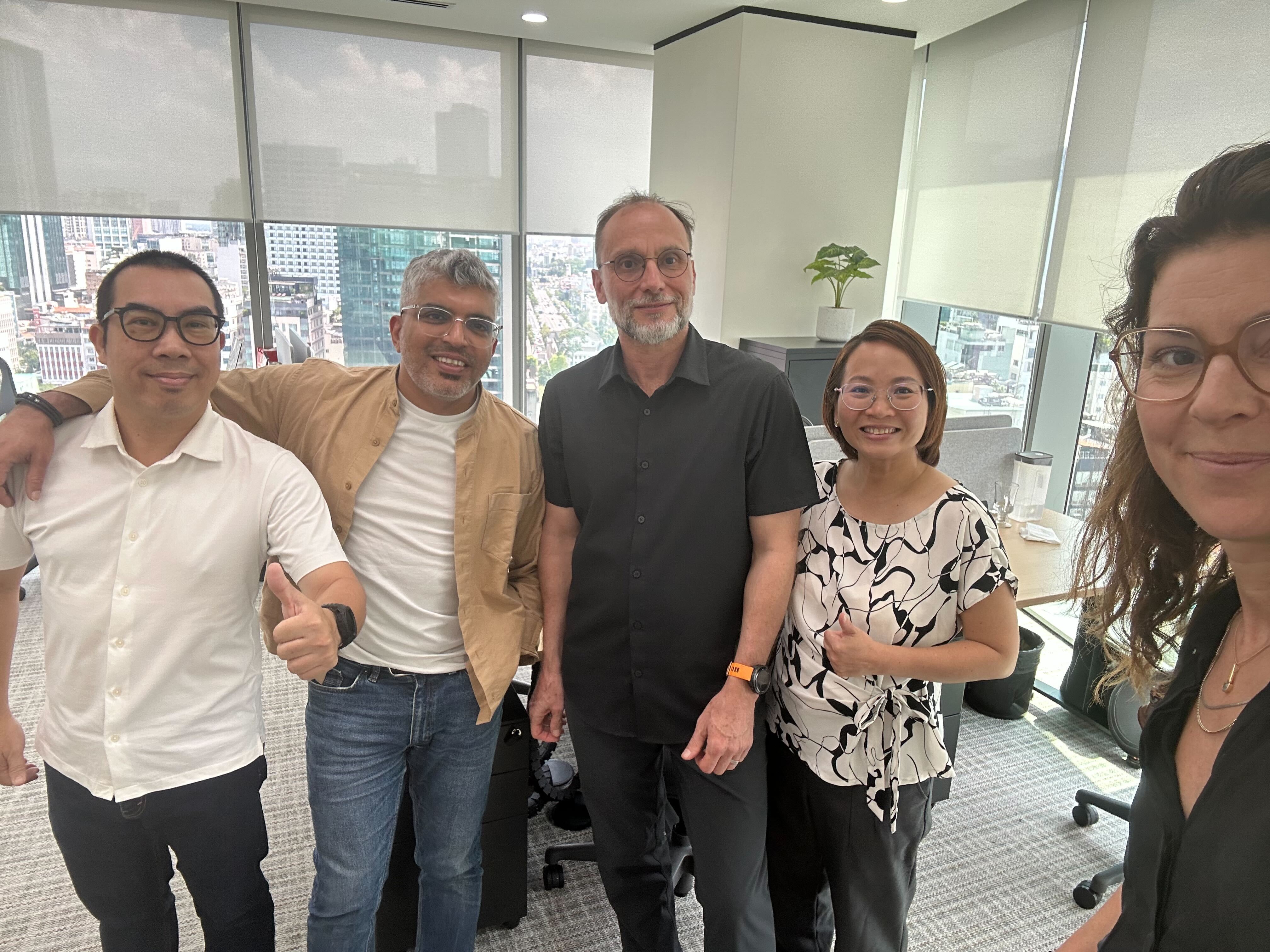
Your role sits at the intersection of partnerships and value chain development. In practice, what does building Syre's value chain partnerships involve day to day?
“Even though we are building Syre as a profitable business, we also see it as a collaboration platform. Given the complexities of textile-to-textile recycling, we can’t do it alone - we need to build partnerships right across our value chain. Our ecosystem spreads across waste collectors, feedstock suppliers, and yarn, fabric and apparel manufacturers, all the way up to global brands. Everyone needs to participate, and everyone stands to benefit. I am fortunate that my role lets me play the spider in this 'collaborative web'.
My days are mostly about spotting the gaps in our ecosystem and filling them by bringing together like-minded collaborators.”
Yarn spinners are the link between Syre's offering and finished product. Why are these partnerships so critical to making circular materials viable on an industrial scale?
“At Syre, we produce polyester chips that becomes polyester yarn, fabric and finished garments. The spinner is the first hand our chips passes into, and everything downstream depends on getting that step right. Once our chips are spun into quality yarn, the rest of the supply chain can operate seamlessly.
We have been in conversations with yarn spinners fo rthe past couple of years. The aim is to understand each other’s needs and aspirations, and to build long-term relationships on that foundation. A lot of time also goes into quality testing, production trials and negotiations.”
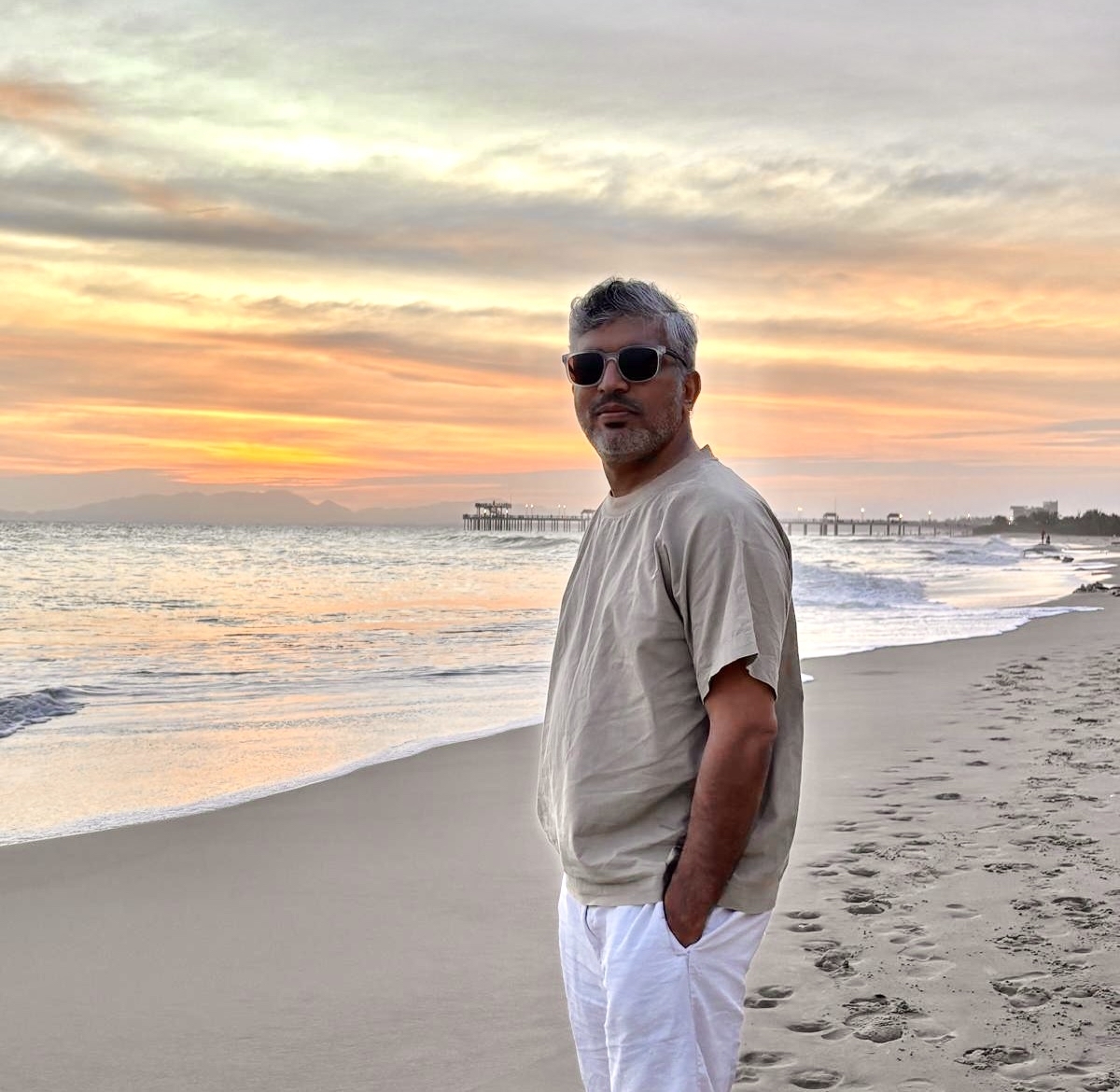
You're relocating to Vietnam later this year! Tell us about that, and what that move reflects about where Syre is heading?
“Having lived in several Asian countries before coming to Sweden, this move to Vietnam feels like 'heading back home'. It will be abig change for us as a family - switching the calm of Stockholm for the buzz of Ho Chi Minh City. But we can’t wait for all the new experiences waiting on the other side of the planet.
From Syre’s perspective, it’s clear that Asia, and Vietnam in particular, will be hugely important to our journey. I am excited to join our small but mighty team on the ground and help lead the exponentia lgrowth we are expecting in the years ahead.”
Once you're on the ground, what will your focus be, and what do you most want to get right in the first months?
“My first focus will be getting to know our Vietnam team and doing everything I can to support them in their budding Syre careers. From there, we will work together to strengthen our partnerships with local stakeholders - government agencies, investors, industrial partners and the wider textile community. We have built an amazing network around the world overthe last two years, and now it’s time to deepen our impact where it matters most: in Vietnam and across Asia.”