
Mapping a messy reality: why textile value chains are more complex than they look
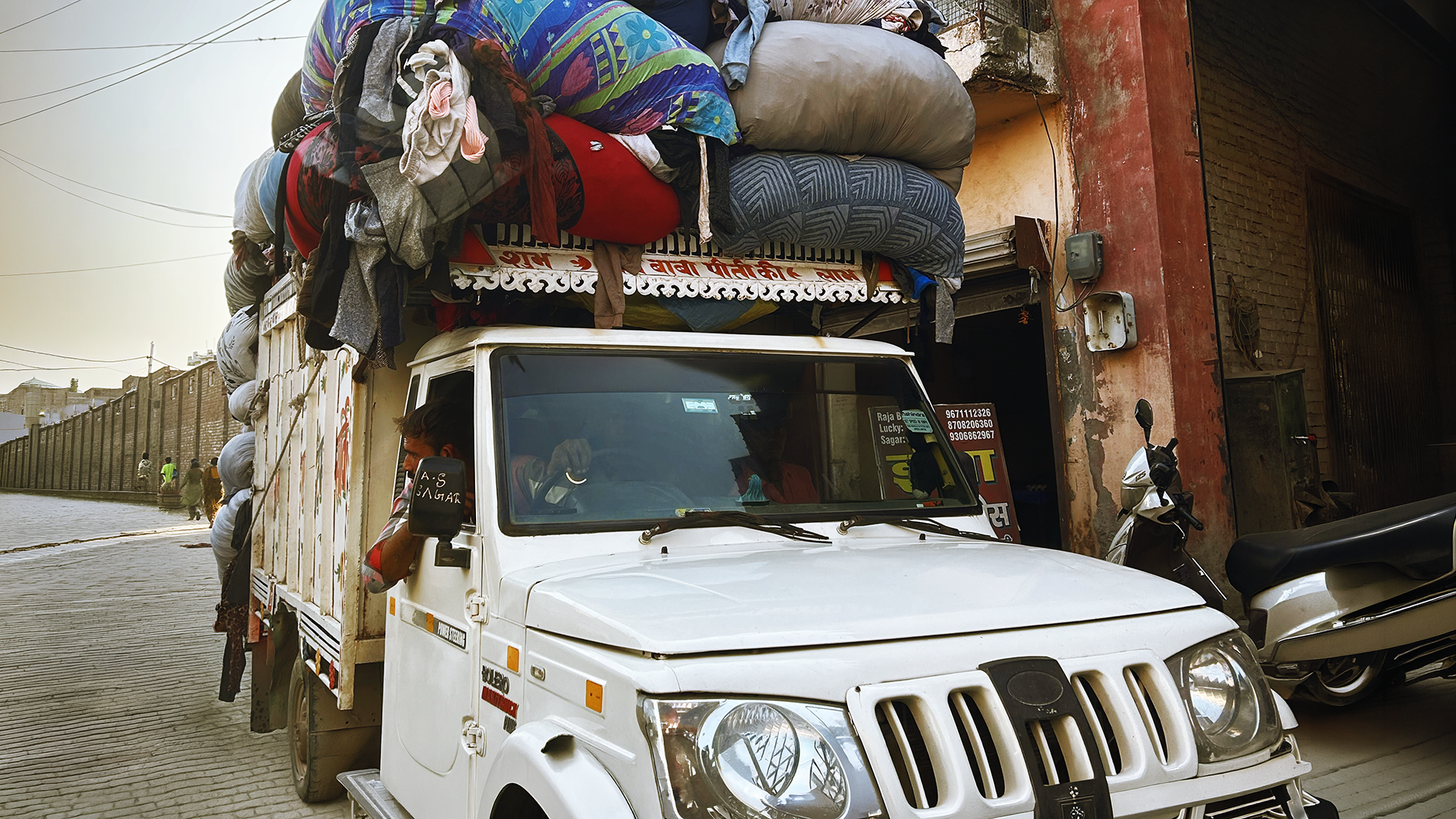
Walk into any store, open your wardrobe, or sit down in a car seat, and you’re touching the outcome of one of the world’s most complex value chains. Textile fibers are usually grown or produced in one country, spun and woven in another, dyed and finished in a third, stitched somewhere else again – and eventually collected, traded and processed through a web of formal and informal actors that most brands never see.
In this article, we unpack some of the biggest challenges in today’s textile value chain, why basic figures on textile waste, recycling rates and material flows are so hard to pin down, and how Syre is working to build a more transparent and resilient ecosystem for circular textiles.
Why the numbers don’t add up – and why that matters
Understanding the real numbers is key to grasping the potential of textile recycling. Most global figures on textile waste, recycling rates or the climate impact ultimately trace back to a small set of studies and models. According to McKinsey’s study, Europe is estimated to generate around 7–7.5 million tons of textile waste per year today, rising to 8.5–9 million tons by 2030. Another major study from Global Fashion Agenda and BCG in 2017, projects that global fashion‑related waste will grow by around 60 percent between 2015 and 2030 and could reach around 148 million tons per year by, with only about 20 percent of clothing currently collected for reuse or recycling.
These are important for putting the industry’s footprint on the agenda – but they come with limitations:
- They often focus narrowly on apparel, while large volumes of textiles sit in other sectors, such as automotive or home interior
- Methodologies differ: what counts as “waste”, what counts as “recycled”?
- Assumptions that were reasonable a few years ago quickly become outdated as regulation and technology evolve
The McKinsey study on textile recycling potential shows how wide these ranges can be. Depending on how you define “available to recycling”, what purity of feedstock you assume, and which technologies you include, the same system can be described as almost impossible to manage – or as a major industrial opportunity to scale within the decade.
Both perspectives hold some truth. But neither answers the practical questions: Where, exactly, is the waste we can turn into circular polyester – and what will it take to get it into a recycling plant in a predictable, traceable way?
This is why we arecautious about leaning too heavily on any single headline number. Instead, wetreat existing reports as important signals, not blueprints – and invest inbuilding our own, more granular understanding of volumes, compositions, andflows in the regions where we will operate. This is not an easy task, but keyto truly understand the challenges – even more so, the opportunities – ahead.

From a linear chain to many overlapping ecosystems
Most models of the textile industry still show a neat, straight (and simplified) line:

Reality is far messier.
Each material has its own path. Polyester in a running shoe, cotton in a t‑shirt, and technical textiles like car airbags all move through the supply chain differently.
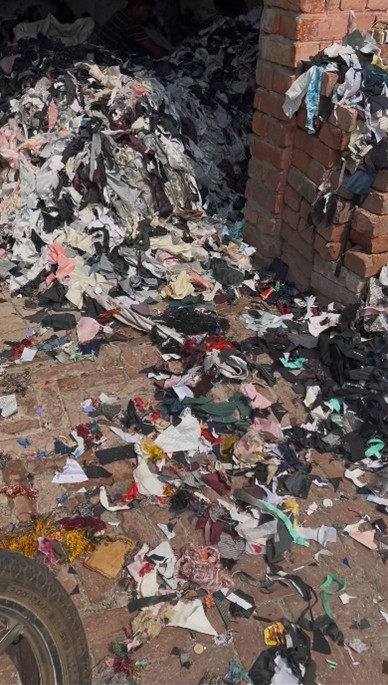
Along the way, waste is generated at every stage: offcuts and production spill from spinning, weaving and garment making; defect and unsellable products at brand and retail level; and post-consumer textiles discarded by households and businesses. All of this then passes through a mix of collectors, brokers, sorters, traders and processors – some highly professionalized, some entirely informal, many operating across borders.
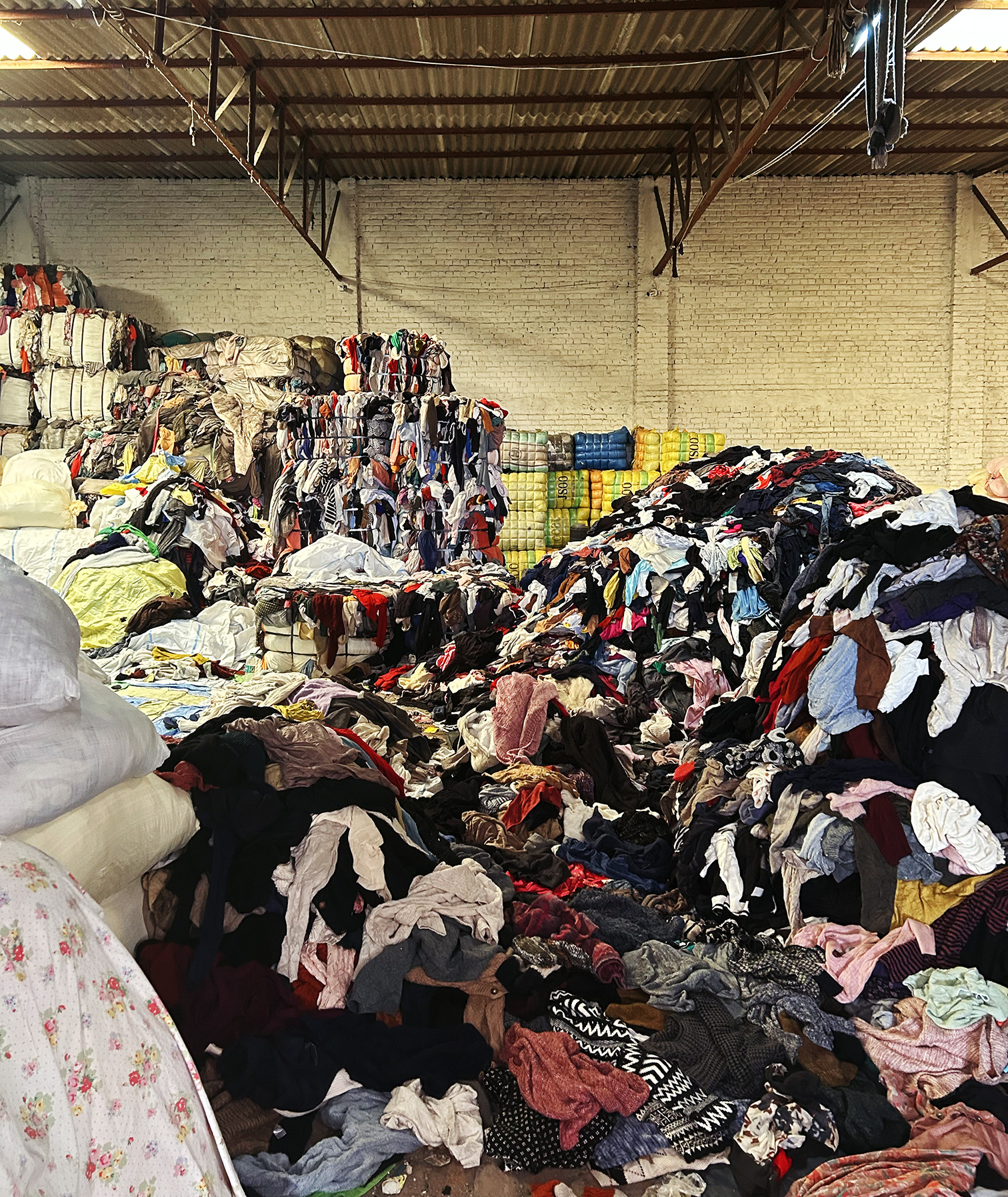
There isn’t “one” textile waste stream. There are many small streams, dispersed across industries and geographies. For any company trying to build a circular value chain, that dispersion is one of the fundamental challenges. To turn textile waste into new raw material, you first have to find it, aggregate it, and understand what it contains.
The informal sector: essential, invisible – and often excluded
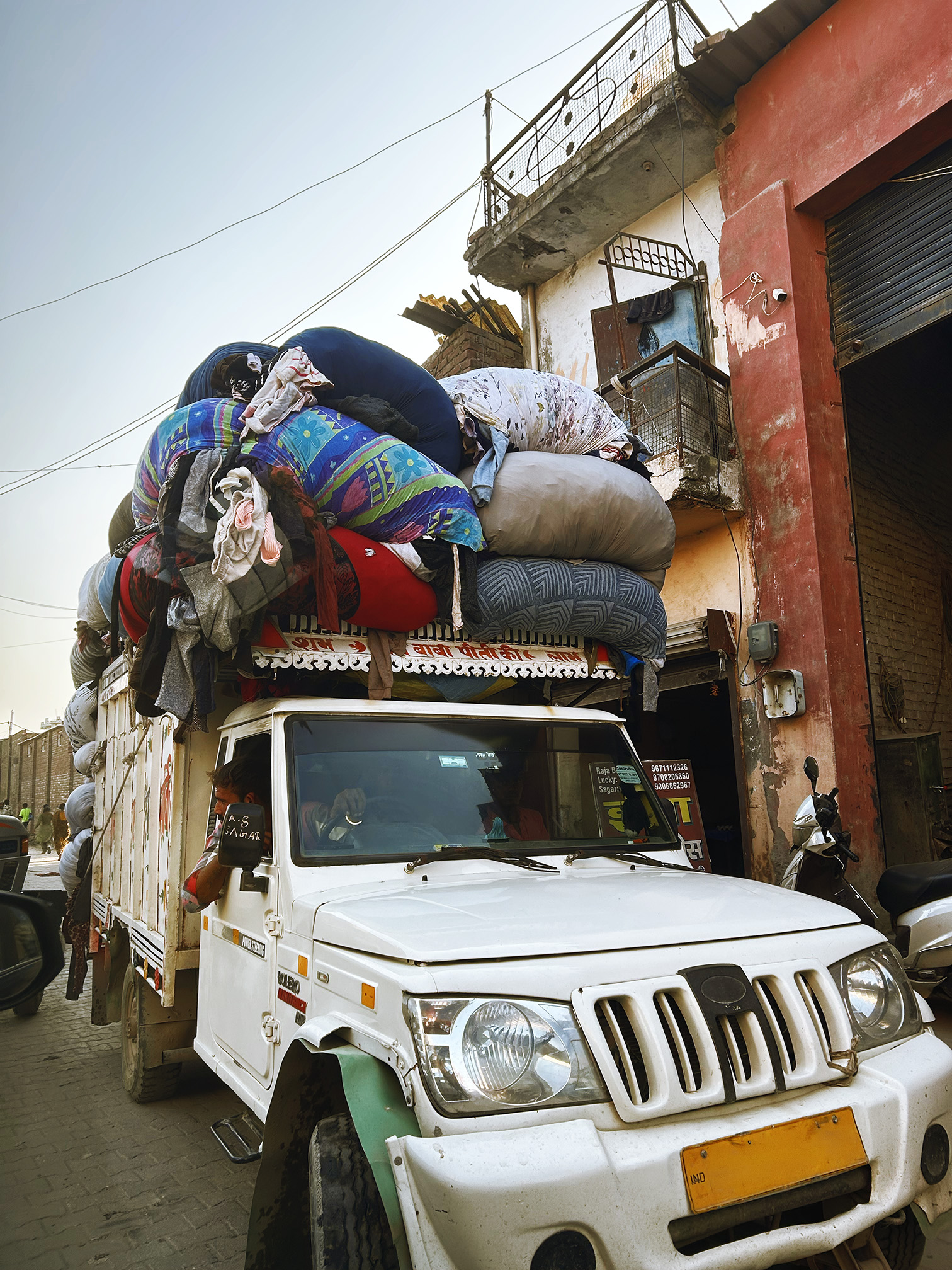
Any honest discussion about textile value chains must acknowledge the role of the informal sector. In many of the markets where textile‑to‑textile recycling will need to scale – particularly in Asia, Latin America, and parts of Africa – a significant share of waste collection, sorting and trading is done by unregistered workers: waste pickers, small family operations, local brokers or micro‑enterprises working in and around landfills and transfer stations.

Informal waste workers play a critical – yet often overlooked – role in today’s material flows. Their contribution is enormous: they divert materials away from open dumping and uncontrolled burning, create income opportunities for millions of people who are excluded from formal employment and are often the first to identify and capture new, valuable waste streams. Despite this, their work remains largely invisible to brands and consumers – and they are under‑represented in most circular economy strategies.
Informal workers typically operate without contracts or social protections, with limited health and safety safeguards, and under significant pressure. Data on how many people are involved, and under what conditions, is difficult to obtain. Informality is, by definition, hard to measure.
For Syre, this reality has two important implications. First, we cannot design large scale industrial recycling as if the informal sector did not exist. Any intervention in textile waste flows will touch people’s livelihoods. Second, we have a responsibility to approach this reality with humility – investing time and resources in understanding local systems, listening to workers and intermediaries, and exploring partnership models that improve working conditions rather than simply displace existing actors.
We do not claim to have a ready‑made solution. And we will meet challenges and hit the wall many times as we try to navigate one of the world’s most complicated, and dark, supply chains. But we are certain of this: building textile‑to‑textile circularity at scale will require collaboration across tiers – brands, NGOs, governments, and the informal sector itself. The people who have kept materials in circulation long before circularity became a buzzword must be partners in the next chapter, not casualties of it.
We are actively developing our approach to this within Syre. We are active in the markets, listen to experts, study how other sectors with longer experience have handled similar challenges, and draw lessons from adjacent value chains – such as metal recycling systems and bottle deposit and collection schemes, where materials are effectively captured and returned to production. We are in the early stages of a pilot collaboration with NGOs and associations, which we hope will help us build practical experience and insight.
At the same time,we are aware of how much we still do not know. Anyone with experiences to share, or ideas on how textile to textile recyclers can engage more responsibly with the informal sector, we greatly value.
From tweaking a linear system to building a circular ecosystem
Against this backdrop, our thesis is simple: you cannot deliver circular polyester at scale by tweaking today’s linear, fragmented system. You must help build a new ecosystem.
In practical terms, that means working on several fronts at once:
- Feedstock: building partnerships that secure access to both post‑consumer and post‑industrial polyester‑rich waste
- Infrastructure: supporting regional networks for collection, sorting and pre‑processing that can deliver the right quality of feedstock to textile‑to‑textile plants
- Technology: deploying and scaling recycling technologies that can handle real‑world waste streams – with blends, trims, colors – rather than lab‑grade inputs
- Policy and standards: engaging in policy dialogues around Extended Producer Responsibility (EPR), recycled content targets and design requirements, so regulation and infrastructure evolve
In Europe and the US, much of this will play out under new rules: mandatory separate textile collection, EPR schemes, eco‑design requirements and tighter controls on waste exports. These frameworks are essential to get more material out of household bins and into sorting facilities – but they do not, on their own, create the technical capacity to turn that material into new fibers.
Our role is to act as a facilitator to connect brand‑level climate and circularity agendas with the reality of waste handlers, sorters and manufacturers, and translating between policy language, investment cases and day‑to‑day operations.
Three non-negotiable shifts
No single company can redesign a global system. Based on our work with partners across regions and sectors, three shifts stand out as non‑negotiable if circular textiles are to move from pilot to practice.
1. From isolated projects to shared infrastructure
For years, the textile industry has experimented with pilots: capsule collections, one‑off take‑back campaigns, and small‑scale recycling collaborations. These have been valuable proofs of concept – but they have not changed the underlying infrastructure.
To close the gap between ambitious 2030 targets and today’s reality, we need:
- Shared sorting capability and clear waste handling fees that multiple brands and recyclers can rely on
- Common quality trading standards for feedstock, so waste can move between regions and technologies without being downcycled, landfilled or incinerated
- Data systems that allow traceability across the full journey from “waste” to “new fiber”
We cannot build this alone. What we can do is commit to long‑term offtake, share know‑how on what recycling technologies need, and collaborate with others – including competitors – to make sure the system works beyond any single company’s boundaries.
2. From heroic narratives to honest collaboration
There is a temptation, especially in a fast‑moving space like next‑gen materials, to tell heroic stories: the single innovation that will “fix” fashion, the one partnership that “solves” waste. Our experience so far points in the opposite direction. Wherever we look, the most promising progress happens when:
- Brands, recyclers, manufacturers, and waste operators sit at the same table and design solutions together
- Responsibilities – and risks – are shared fairly, from financing early infrastructure to adapting design and sourcing practices
- Everyone is willing to adjust their own processes, rather than expecting someone else in the chain to do all the changes
At Syre, we try to enter each partnership with that mindset: clear about what we can bring, honest about what we still need to figure out, and open about the trade‑offs involved. Circularity at scale will not be clean or linear – it will be full of iteration and learning.
3. From viewing waste as a problem to treating it as secondary material
As long as textiles are seen primarily as a disposal problem – something to get rid of cheaply and quickly – the incentives will favor landfilling, low‑value exports and incineration. When we start treating textile waste as a shared feedstock, different questions emerge:
- What information does recyclers need upstream (about fiber content, trims, chemicals) to work safely and efficiently?
- How can design choices today expand, rather than limit, tomorrow’s recycling options?
- Which material streams should be prioritized for high‑value textile‑to‑textile recycling, and which are better suited for other forms of recovery?
For Syre, this means engaging early in design and sourcing discussions, supporting partners on traceability, and being transparent about what we can and cannot handle – yet.
Moving forward – together
Textile value chains will never be simple. They cross borders, sectors, and livelihoods. Any attempt to transform them will be as much about people and politics as about chemistry and engineering. A humbling task.
As a young company focused on textile‑to‑textile recycling, Syre is just one piece of a much larger puzzle. We are here because we believe circular polyester can play a meaningful role in decarbonizing and de‑wasting the textile system – but that role only becomes real if the wider ecosystem evolves with it.
That is why we talk openly about the obstacles as well as the opportunities: the messy data, the invisible workers, the practical limits of technology today. And it is why we approach this work with a strong dose of humility and a clear conviction that partnerships and shared responsibility are the only viable route to change at scale.
One thread at a time.