
Rewiring fashion’s supply chains: Envisioning a future where sustainability and innovation are seamlessly integrated into how business is done
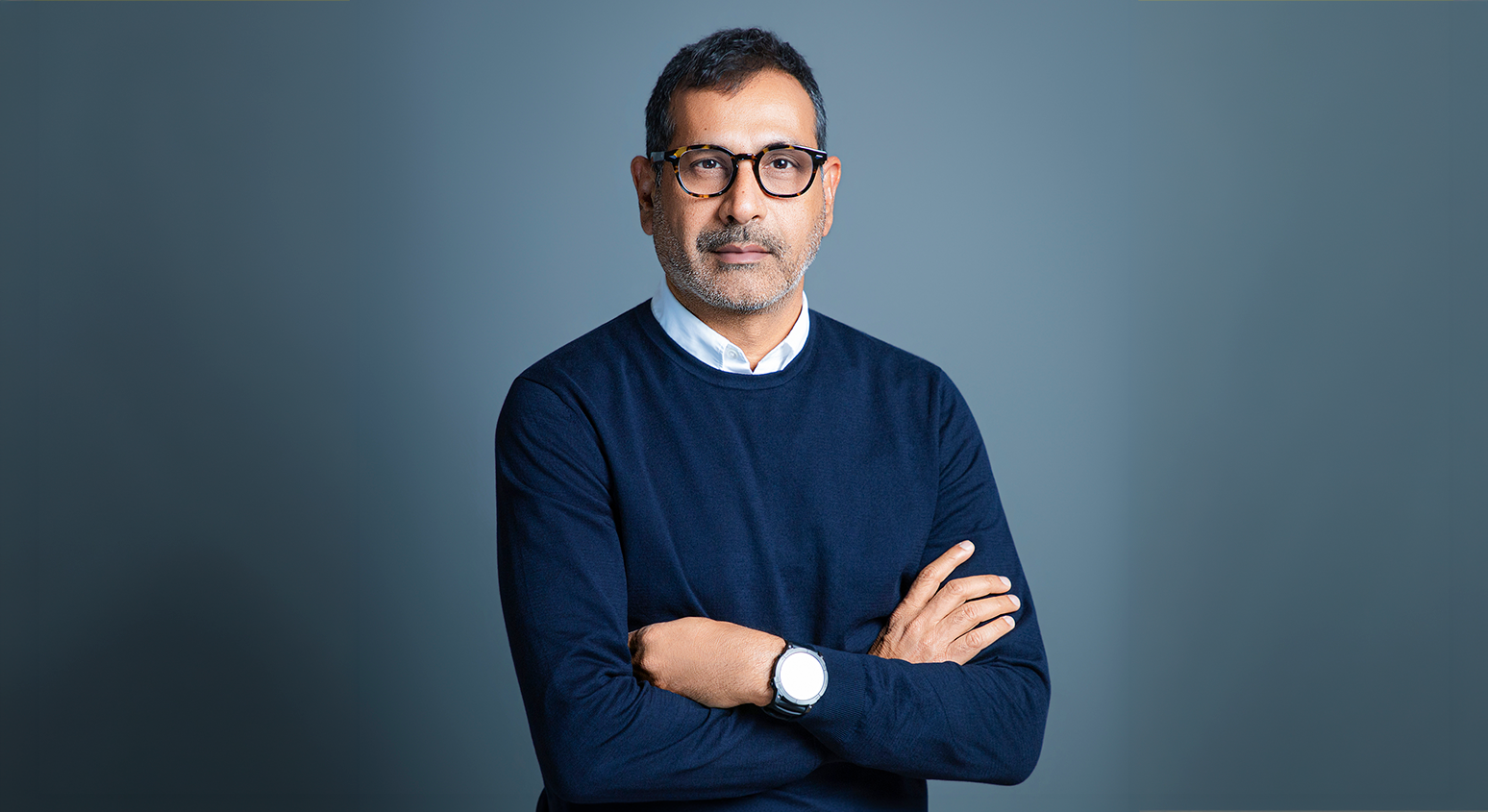
With more than three decades inside some of the world’s most complex fashion supply chains, Manish Chawla, has seen the industry’s rapid rise – and its mounting environmental cost. After leading global sourcing and production for one of the world’s largest fashion groups, H&M Group, he is now using that experience to accelerate the shift to circular textiles as a senior advisor to Syre. In this interview, Manish reflects on Asia’s changing sustainability landscape, why early-stage waste sorting is critical – and how collaboration across the value chain can make circular materials the new normal.
Can you tell us about your background and experience in the fashion and supply chain industry?
"With over 33 years in the industry and extensive on-the-ground experience in India, Bangladesh, and Hong Kong, I have focused on building fashion supply chains in developing markets for H&M. For the past 16 years, I have managed global supply chains across key categories such as woven and denim. I have also led global material sourcing initiatives, establishing sustainable material strategies for the entire H&M group. Currently, I oversee global production for lifestyle brands, including H&M Home, H&M Beauty, and H&M Move."
What motivated you to join Syre?
"Working in global material sourcing put me in close contact with innovators developing next-generation and recycled materials, and that experience really deepened my commitment to sustainability.
When I met Syre, the match felt natural. I saw an opportunity to leverage my experience and network to help overcome challenges and turn their vision into implementation. I was impressed by Syre’s speed, passion, and commitment to making meaningful change. I truly believe in their idea and vision, and I am confident it will make a significant impact on the industry."
In what ways are you supporting Syre in its work?
"I bring an outside-in perspective, using my experience from large-scale production to challenge and stress-test Syre’s ideas and plan. I ask the questions brands and suppliers usually ask: how does this work operationally, what are the real constraints? What will it take to scale? That helps ensure that strategies are not only visionary but also executable.
I also connect Syre with various innovators and stakeholders across the value chain. I help create a collaborative environment that strengthens ideas and implementation strategies. Creating those bridges is essential. I believe all actors in the fashion supply chain – brands, suppliers, and innovators – must work together to drive this transformation. Such collaboration will accelerate the shift toward sustainability and create a win-win situation for everyone involved."
What is your perspective on how sustainability has evolved in Asia’s fashion industry?
"Asia’s fashion and sustainability landscape has evolved significantly over the past three decades. The region is no longer just the “factory of the world” for major global brands; but is also successfully launching many of its own local and regional brands. Sustainability has shifted from being purely demand-driven to a self-initiated priority, with governments and businesses investing heavily in green infrastructure and ethical practices. This transformation is paving the way for groundbreaking innovations, supporting companies as they invest in new technologies and enabling a wide range of low-impact material options."
How do differences in infrastructure, labor conditions, and waste quality across regions impact scalability – and how can companies like Syre help bridge those differences?
"The main obstacle to scaling recycled materials is inadequate infrastructure and low-quality waste. Government policies in the regions can significantly influence this. Companies like Syre can play a vital role in addressing these challenges by raising awareness and helping to develop reverse supply chain infrastructures. This includes assisting policymakers in understanding the positive environmental and social impacts of investing in better systems, which in turn improves waste quality. Given the considerable lack of understanding around reverse supply chains and their benefits, Syre can help bridge this gap by sharing knowledge, building partnerships and providing practical insights into how these systems can be designed and scaled in a fair and sustainable way."
From a global supply-chain perspective, how critical is early-stage sorting to making circular materials viable at scale?
"Early-stage sorting is absolutely critical to making circular textiles viable at scale. Building awareness about post‑consumer recycling already at the design stage is essential. By selecting the right materials and compositions, and by ensuring that all components are correctly labeled, we can significantly simplify the overall recycling process.
Implementing proper sorting early on helps secure high‑quality feedstock and minimize waste throughout the entire value chain. Taking these steps from the beginning enables a more efficient and sustainable product lifecycle."
How do you imagine the textile industry will look in the future?
"I envision a future where sustainability and innovation are seamlessly integrated into how business is done in the fashion industry. Circular material flows, renewable energy and responsible labor practices will be baseline expectations rather than differentiators.
My goal is to continue supporting and developing supply chains, fostering collaborations, and championing sustainable practices. I also anticipate a future where customers are far more informed and empowered, asking questions about what they buy and rewarding brands that are transparent and genuinely committed to change."