
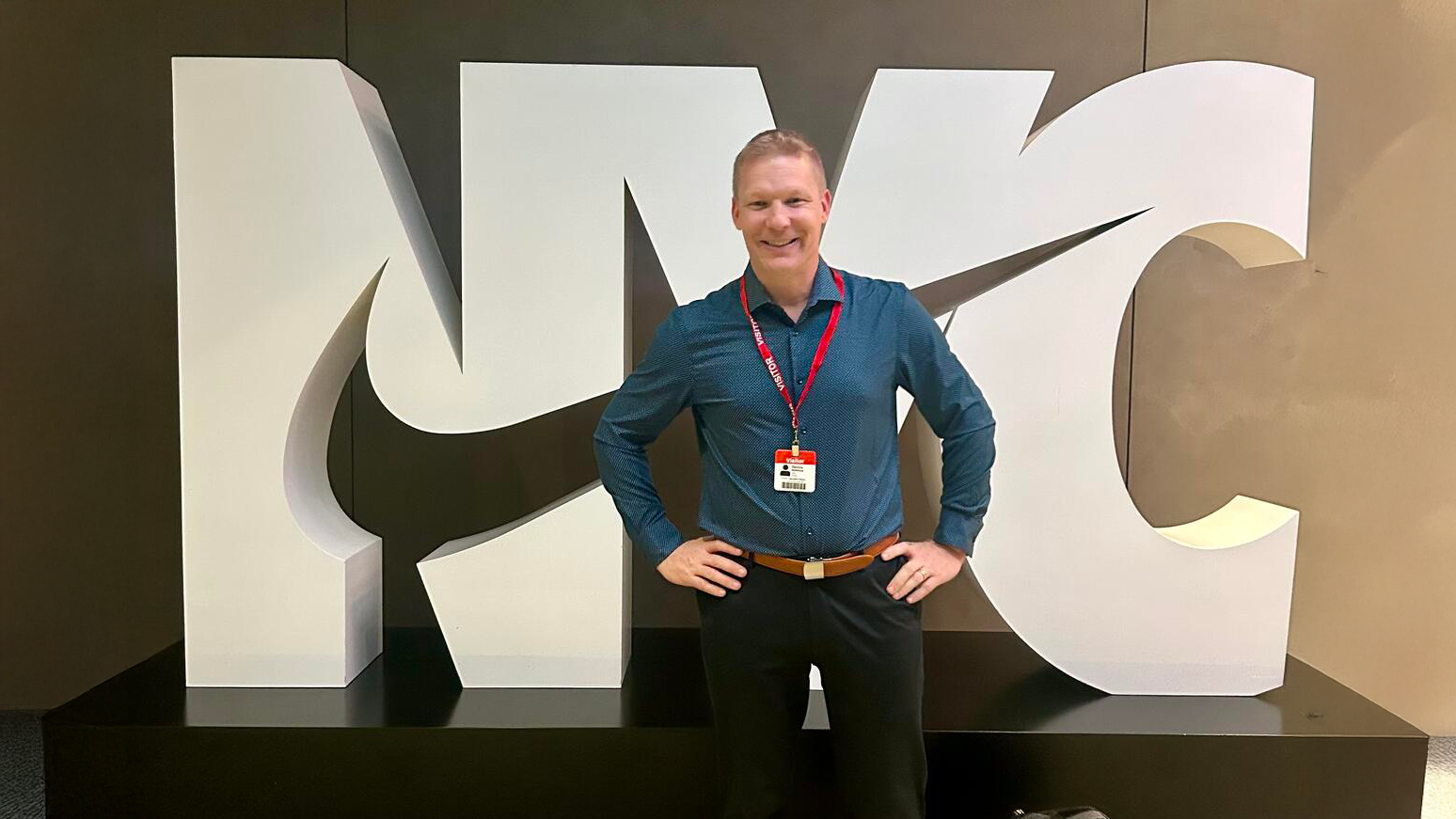
Dennis Nobelius: What ‘Just Do It’ means for the great textile shift
18 months ago, Syre was publicly launched with a huge foundation that included the largest bankable offtake and commitment from H&M Group, and backing from lead investor TPG Rise Climate. From the start, it was clear we were to serve the wider audience, i.e. to be a preferred partner at scale for global brands – small and big. Since then, we have proudly added contracts with Houdini Sportswear (and one more brand still-to-be-revealed), and collaborations with our Launch Partners Target and Gap Inc. Now adding Nike as a partner is nothing but supercool (and demanding)! It is truly amazing to be able to announce that Syre will be Nike’s lead strategic supplier for textile-to-textile recycled polyester…(!)
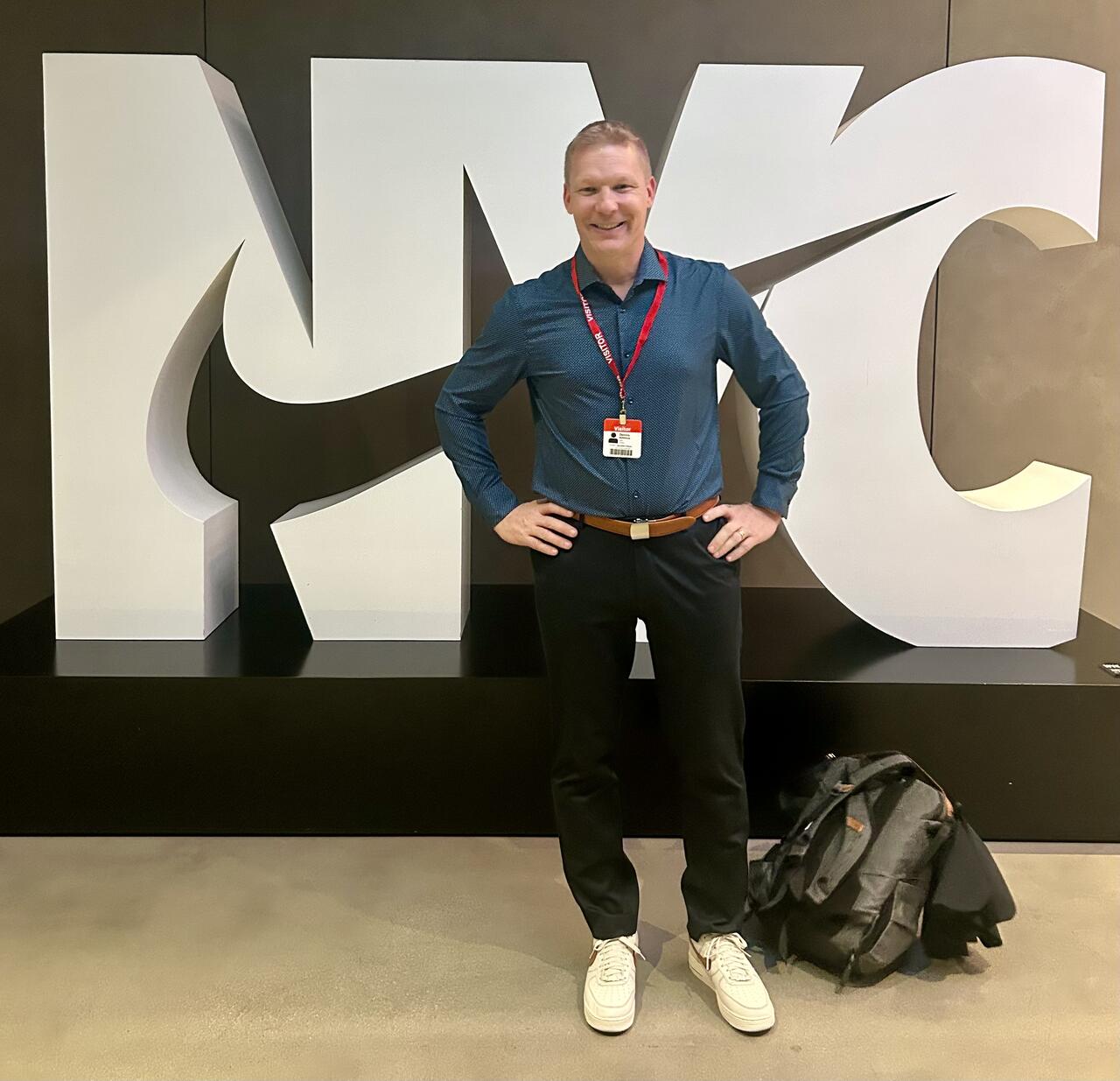
The significance of having H&M Group and Nike now side by side moving into textile-to-textile is nothing but an earthquake in the industry, marking that #TheGreatTextileShift starts now. It’s also evident this shift is to (and needs to) be led by the brands, leading the way owning, enabling, and sharing the shift with end-consumers. When the end retail price delta is limited to around one percent, I am certain that most, if not all, consumers would shift to a truly circular product given the chance. Again, thank you Nike, H&M Group, and others for your boldness and making a statement toward greater circularity.
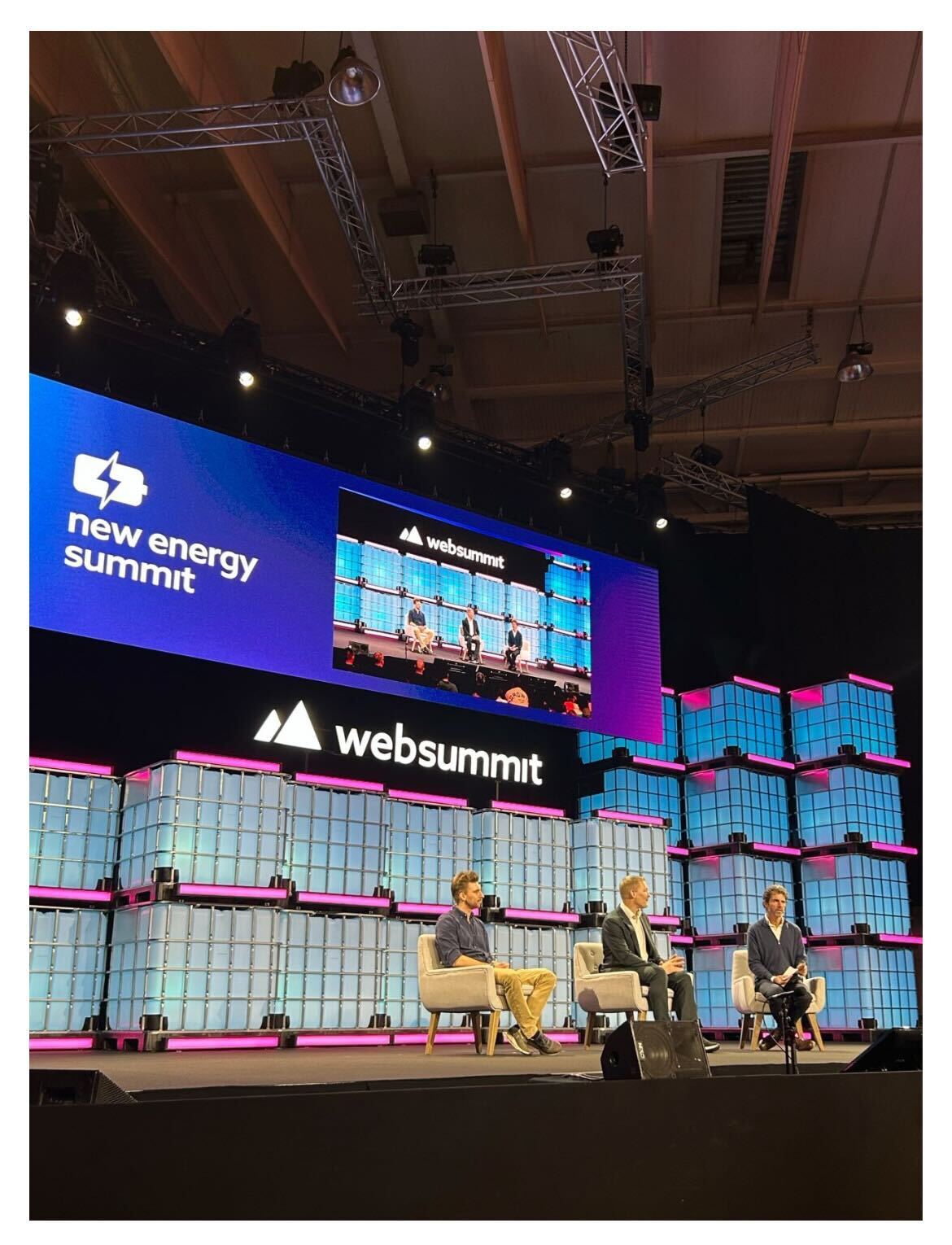
Why Do It? Well, leaders lead, and we are together not accepting the status quo. And, if not us, who? It is clear, shown at #COP30 this past week, that progress is not fast enough. In our industry, fossil fuels are unnecessary as there is enough textile waste out there to supply the industry’s needs for years and years to come. Politicians are working intensively and needed policy shifts are underway – but we as a joint industry can lead, and maybe also must lead, the way. Showcasing the possible. A strong business case and impact combined.
We are all about scale. Because with scale comes impact and the possibility to put an end to incineration and landfill and to enable the textile industry to go circular. This would mean nothing without the commitment from the Brands and the end consumers. Here we now see the big players making strategic decisions and bets. Securing the textile-to-textile materials in the plants to come. In the race to secure volumes recognizing the substantial supply-demand gaps. Going from linear to circular. Moving sustainable materials into the core portfolio and putting an end to single capsule collections targeting momentary PR value.

Going to bankable contracts at scale requires a huge amount of work. Involving all teams from both partners, e.g. sustainability, technology, purchasing, and legal, to mention a few. And requires both partners to work with parameters far beyond the traditional and fast-moving purchase orders. Here, we now have a strong template to work from what has been tested and proven to work. With learnings included from all our predecessors and from previous setup. This is a model that provides scale, and it also holds execution and other challenges – making us humble in our approach. The key steps are yet ahead of us.

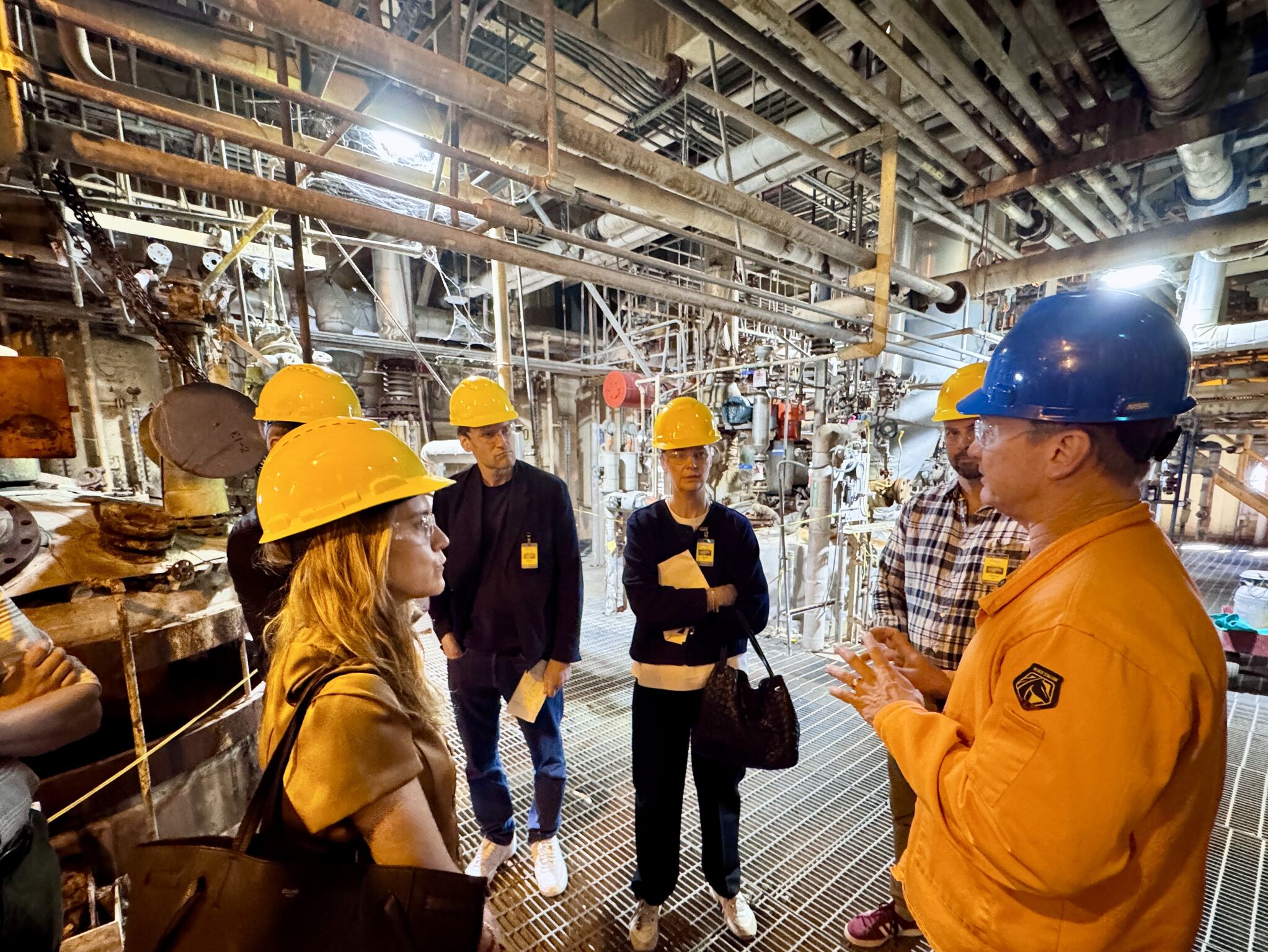
What’s next? Well, intensive work to make this a reality and secure the last seats at preferred positions in the upcoming Vietnam gigaplant. As our CCO Jad Finck said in an interview with Sourcing Journal about the Nike partnership: “They know that this is what gets you in the game and keeps you on the field.”